Understanding the Impact of Bias on Parenting Teenagers
June 24, 2025 - 22:43
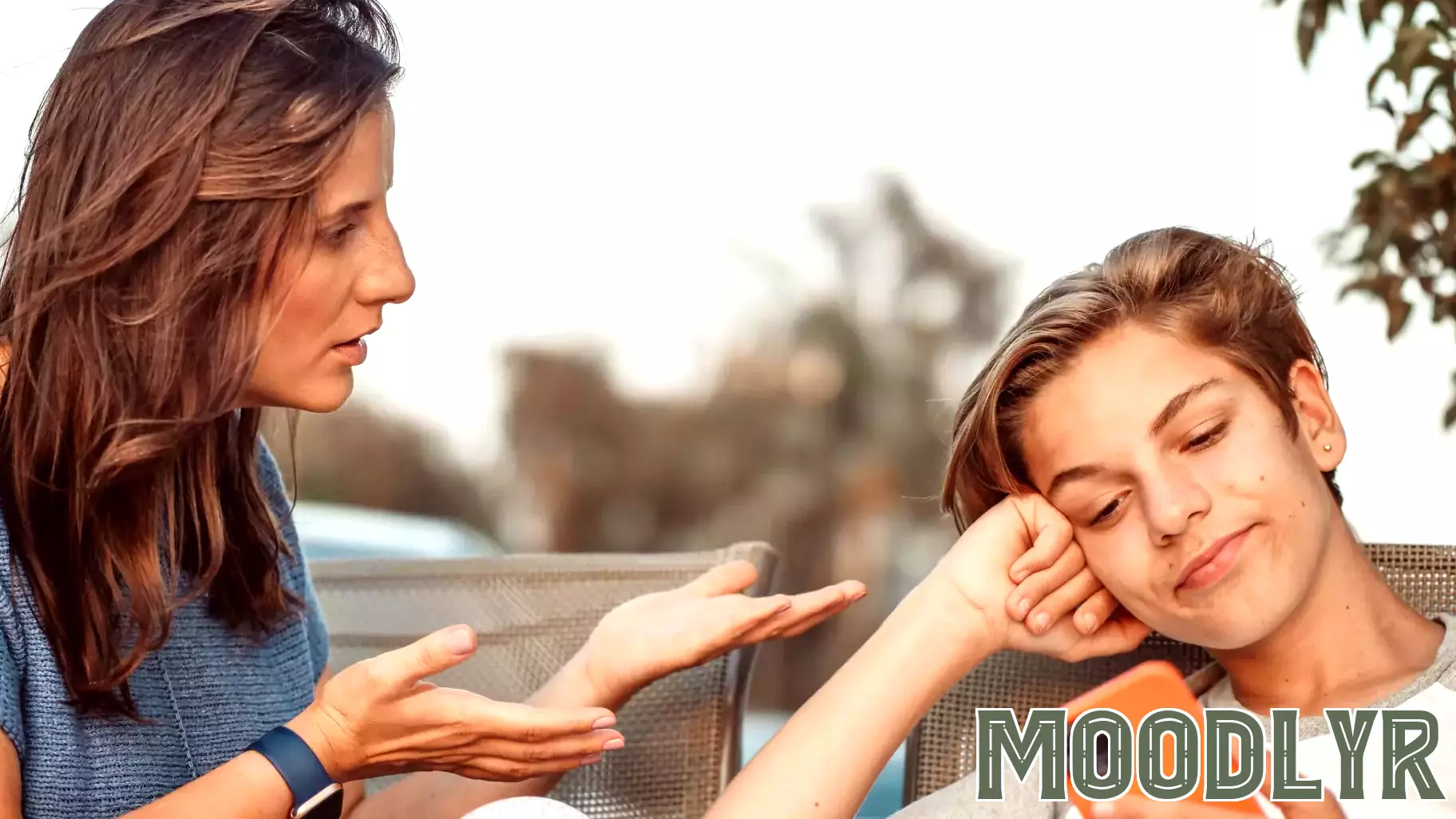
Teenagers are frequently characterized as moody, rebellious, and excessively concerned with peer opinions. However, Wake Forest Psychology Professor Christy Buchanan emphasizes that these stereotypes can significantly obstruct effective parenting. According to Buchanan, when parents allow societal biases to shape their perceptions of adolescents, it can lead to misunderstandings and strained relationships.
Buchanan explains that parents may inadvertently reinforce negative stereotypes, which can create a cycle of conflict and miscommunication. Instead of fostering an environment of understanding and support, such biases can lead to punitive measures or dismissive attitudes towards legitimate teenage concerns. This dynamic can further alienate teenagers, making them less likely to engage in open dialogue with their parents.
To combat these biases, Buchanan advocates for a more empathetic approach to parenting. By recognizing the individuality of each teenager and acknowledging their unique struggles, parents can create a nurturing atmosphere that encourages healthy communication and emotional growth. Ultimately, challenging these stereotypes can pave the way for stronger parent-teen relationships and better outcomes for adolescents.
MORE NEWS

August 20, 2026 - 19:26
Psychology says the kindest people you will ever meet aren't naive or soft — they are often people who have experienced real pain in life and made a conscious choice not to pass it on to othersPsychologists have long observed that the gentlest souls are rarely those who have lived sheltered lives. Instead, the most compassionate individuals are frequently people who have carried...
August 20, 2026 - 09:05
Lindsay Clancy's mental illness led to tragedy, psychologist saysA forensic psychologist called by the defense in the Lindsay Clancy case testified on Tuesday that the mother of three was so severely impaired by mental illness that she did not grasp the...

August 19, 2026 - 20:35
Forensic psychologist describes Clancy's 'mental disease' at time of kids' deathsZeisel detailed the moment Clancy called her then-husband, Patrick, to confess. According to the psychologist, Clancy was not in a state of rational awareness but rather in the grip of a psychotic...

August 19, 2026 - 02:46
A psychologist went to Arctic Norway expecting two months of winter darkness to make people miserable. Instead, she found that many locals had learned to see the polar night as cosy, beautiful, and strangely restorativeMost people assume that two months of near-total darkness would wear anyone down. A psychologist traveled to Arctic Norway with that exact expectation, ready to document the toll the polar night...