Why Do We Like the Music We Like?
May 17, 2026 - 18:19
If you have ever wondered why your playlist looks nothing like your friend's, science has an answer that might surprise you. It is not about the beat, the genre, or even the lyrics. According to the predictive coding model, the real drivers of musical taste are learning and culture.
This theory suggests that your brain is constantly making predictions about what comes next in a song. When the music matches your expectations, you feel a sense of reward. When it surprises you just enough, that reward gets even stronger. But here is the catch: your brain learns these expectations from the music you grew up hearing. The scales, rhythms, and chord progressions that were common in your household, your region, or your social group become the baseline for what sounds "right."
That means your preferences are not hardwired at birth. They are shaped by repetition and exposure. A child raised on classical piano will develop a different neural map for melody than one raised on heavy metal or K-pop. Over time, your brain builds a model of what music should sound like, and it rewards you for songs that fit that model, or that stretch it in familiar ways.
This also explains why tastes can shift. Move to a new country, spend time with new friends, or force yourself to listen to a genre you dislike, and your brain slowly updates its predictions. The music you once called noise can become pleasing, once your cultural model adjusts.
So the next time you argue about what song is best, remember: you are not arguing about the music itself. You are arguing about the culture and learning that shaped each other's brains.
MORE NEWS

August 15, 2026 - 18:55
Moving Beyond Wellness to EmpowermentFor years, workplace and community wellness initiatives have centered on stress reduction, mindfulness, and self-care. While these tools are helpful, a growing number of public health experts argue...
August 14, 2026 - 01:29
Montgomery College Launches New Psychology ProgramMontgomery College has introduced a new Psychology Option inside its Associate of Arts in General Studies degree, giving students a clearer route toward transferring to a four-year university. The...
August 13, 2026 - 03:37
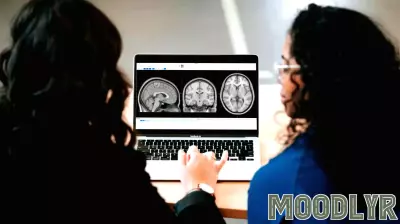
Depression Doesn’t Just Affect the Thinking BrainFor decades, depression has been tied to the thinking brain and the networks that govern mood and memory. A major new study significantly complicates that story. Researchers have found that the...
August 12, 2026 - 09:29
Narcissism and psychopathy linked to entrepreneurial mindsetsPeople who rank higher in traits such as narcissism and psychopathy also tend to feel a more powerful internal push toward founding their own companies, according to recent research. The study...