Psychology says anxiety is not just overthinking, here’s how fear, stress, and uncertainty slowly take con
June 11, 2026 - 20:45
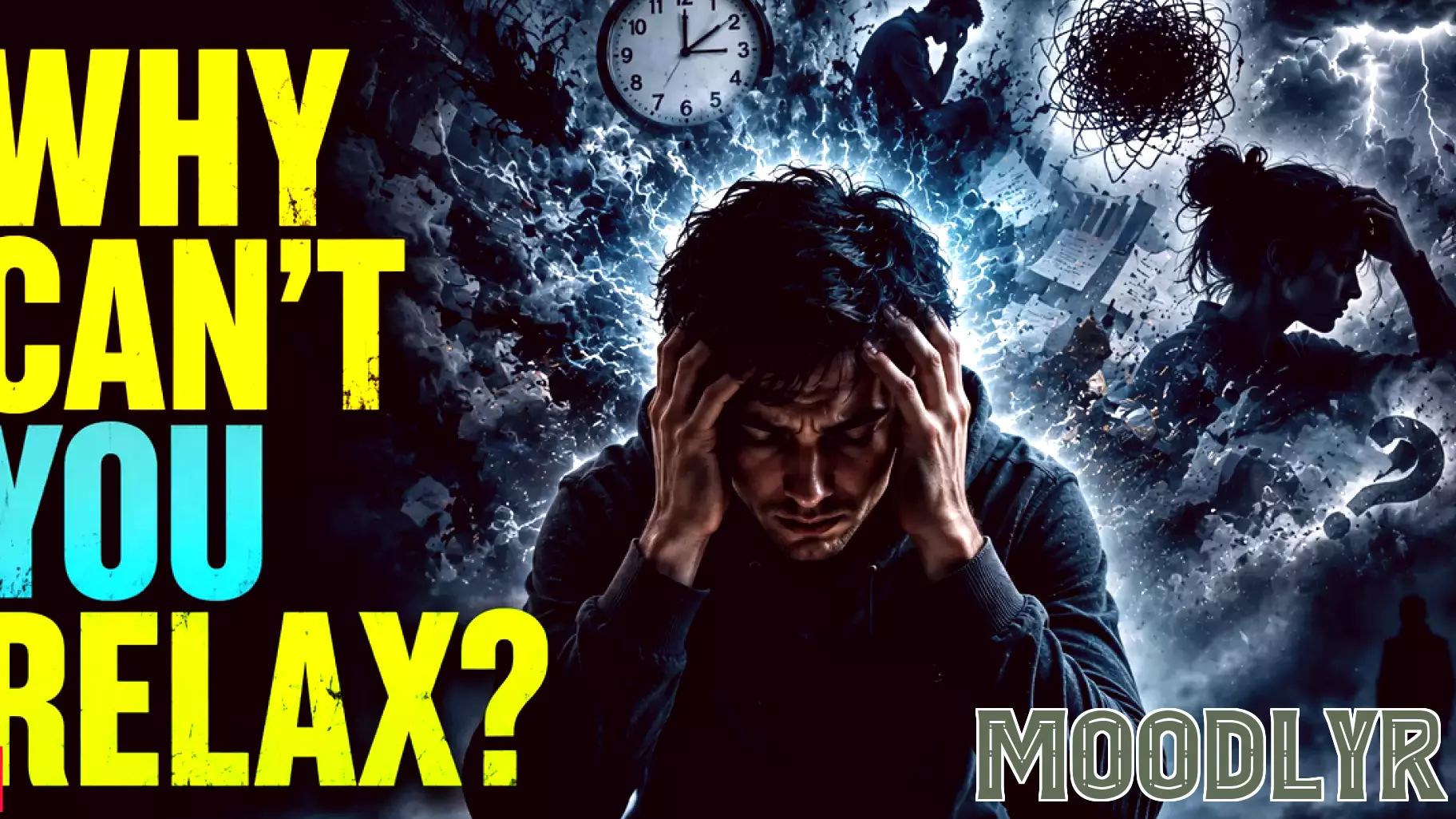
Anxiety is often dismissed as simply a bad habit of overthinking, but psychology suggests the reality is far more complex. It is not just a loop of worried thoughts running through your mind. Instead, anxiety involves a deep interaction between the brain's threat-detection systems, how the body responds to uncertainty, and the physical toll of chronic stress.
When a person feels anxious, the brain's amygdala activates as if a real threat is present, even when no immediate danger exists. This triggers a cascade of stress hormones like cortisol and adrenaline. Over time, this state of high alert reshapes how the brain processes fear and uncertainty. The prefrontal cortex, which helps with rational decision-making, can become less effective, making it harder to calm down or think clearly.
Uncertainty plays a major role. The human brain craves predictability. When the future feels unclear, it can lock into a state of hypervigilance, scanning for potential dangers. This is not a choice or a simple thought pattern. It is a biological response meant to keep you safe, but one that can become exhausting and overwhelming.
Physical symptoms also take hold. A racing heart, shallow breathing, muscle tension, and digestive issues are common. These sensations can feed back into the mental loop, making the person feel even more out of control. Emotional regulation becomes harder, and patterns of avoidance or reassurance-seeking can develop.
Understanding anxiety as a full-body experience rather than just overthinking can help reduce the stigma and open the door to more effective coping strategies. It is not a sign of weakness or a failure to control one's thoughts. It is a complex response that requires patience, self-compassion, and often professional support to manage.
MORE NEWS

July 27, 2026 - 03:40
Psychology says people who dress up extravagantly for office aren't showing off: What this workplace behavA new look at workplace psychology suggests that employees who dress in bold or extravagant styles are not simply trying to impress their bosses or outshine their coworkers. Instead, researchers...

July 25, 2026 - 17:47
Rethinking Mental Health: From Self-Care to Systemic Solutions in the WorkplaceAcross various industries, including law, medicine, construction, and aviation, there is a noticeable shift in how mental health is approached. Rather than solely focusing on individual self-care...

July 24, 2026 - 09:20
The psychological power of naming legislation after victimsLawmakers have long used the names of tragedy victims to brand new legislation, from Amber Alerts to the Brady Bill. A recent psychology study now explains why this strategy works so well....

July 23, 2026 - 19:18
Why You Whisper in Empty Churches and Libraries Without ThinkingYou step into a vast, silent library or an empty stone church, and without a second thought, your voice drops to a whisper. It feels automatic, almost involuntary. Many people assume this is just...